
About our work
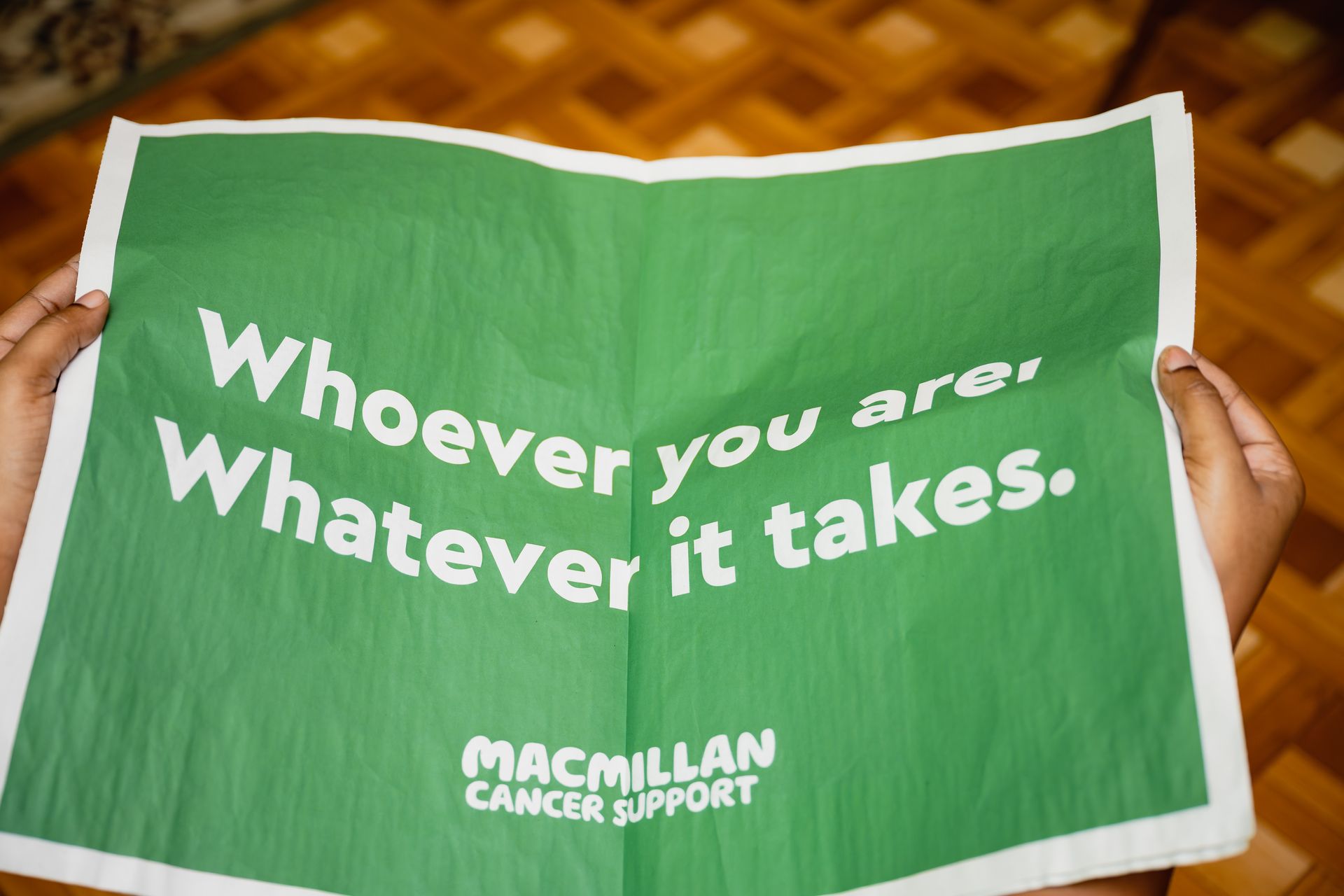
Macmillan Cancer Support has spent more than 100 years helping people living with cancer. We know that cancer can disrupt your whole life. And it can be made worse simply because of who you are and where you live. But we’re here to change that.
The number of people diagnosed with cancer is growing, and every one of them needs the best support to meet their unique needs. That's why we'll do whatever it takes to help everyone living with cancer across the UK get the support they need right now and transform cancer care for everyone who will be diagnosed in the future.
Why change is needed
Around 70% of people living with cancer also have at least one other long-term condition. Many face overlapping challenges that go far beyond healthcare alone. Yet health, social care, welfare, housing and community support often operate in silos, leading to fragmented experiences and poorer outcomes – particularly for those already facing inequity.
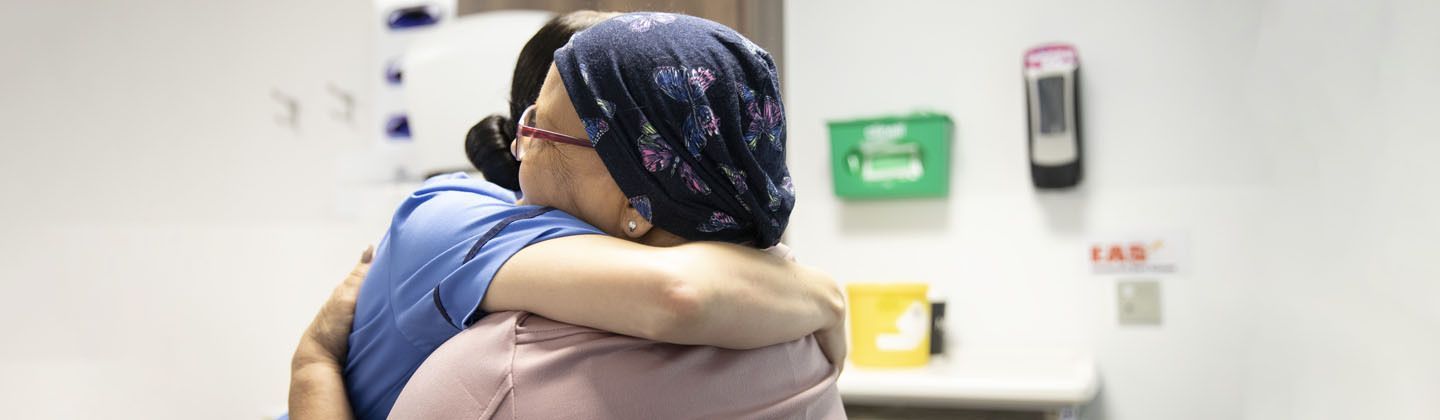
We believe care should fit the person, not just the condition
Our approach focuses on shifting care closer to home, strengthening community-based support and bringing organisations together around shared outcomes. By starting with people facing the worst experiences and outcomes, we aim to design systems that work better for everyone.
Our Strategy
We have created an ambitious, long-term programme focused on transforming how support is designed, funded and delivered at a local level. It is about changing systems, not just improving individual services.
Through this work, we aim to:
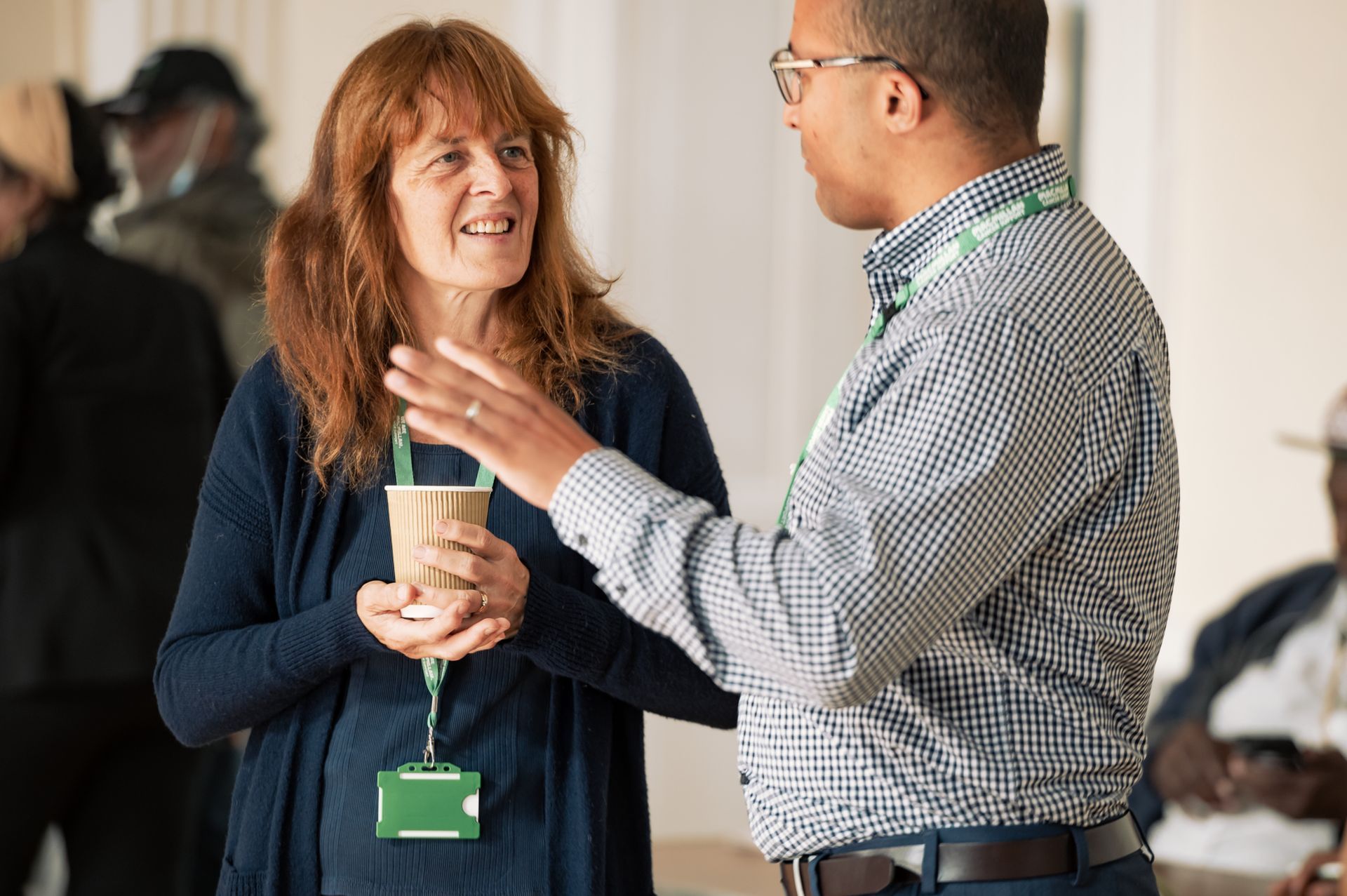
- Bring health, social care, voluntary, community and statutory partners together to solve shared challenges
- Design place-based models of support that respond to local needs and strengths, putting power in the hands of the people and communities to determine what matters most to them
- Use innovative investment models to shift resources towards community support and early intervention
- Test and scale new approaches that improve outcomes and reduce inequity
- Build evidence that can influence change nationally
This work requires deep collaboration, trust and a willingness to work differently. It also requires people who are comfortable operating in complexity, influencing across boundaries and holding a long-term view of change.

Designing From the Margins
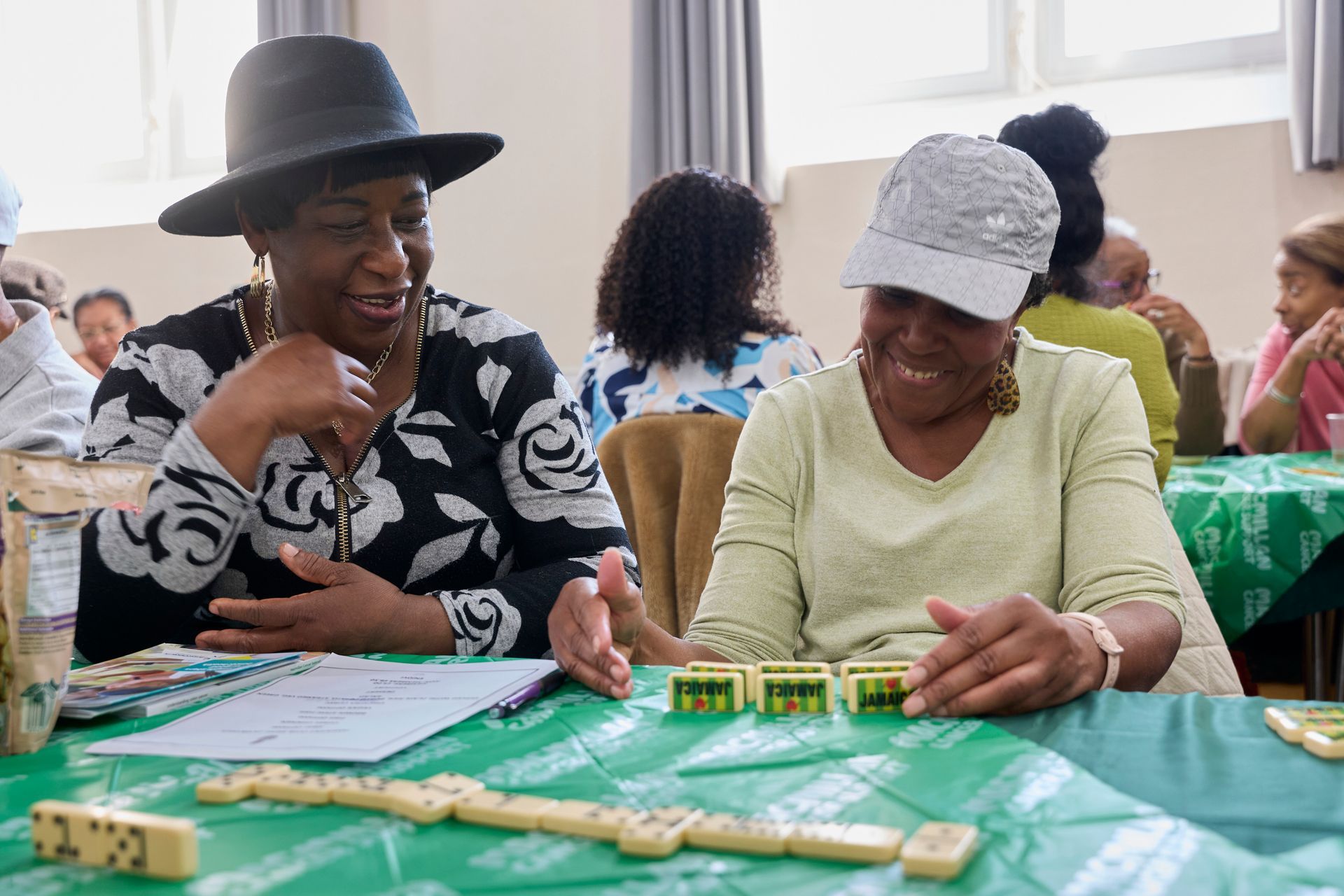
A core principle of this programme is designing from the margins. We start with the people and communities who experience the poorest outcomes and the greatest barriers to support.
This means:
- Centring lived experience in decision making
- Co-designing solutions with communities, not for them
- Actively addressing inequities linked to ethnicity, disability, gender, socio economic background and place
- Challenging assumptions about how systems “should” work
By doing this, we create solutions that are more inclusive, more effective and more sustainable.
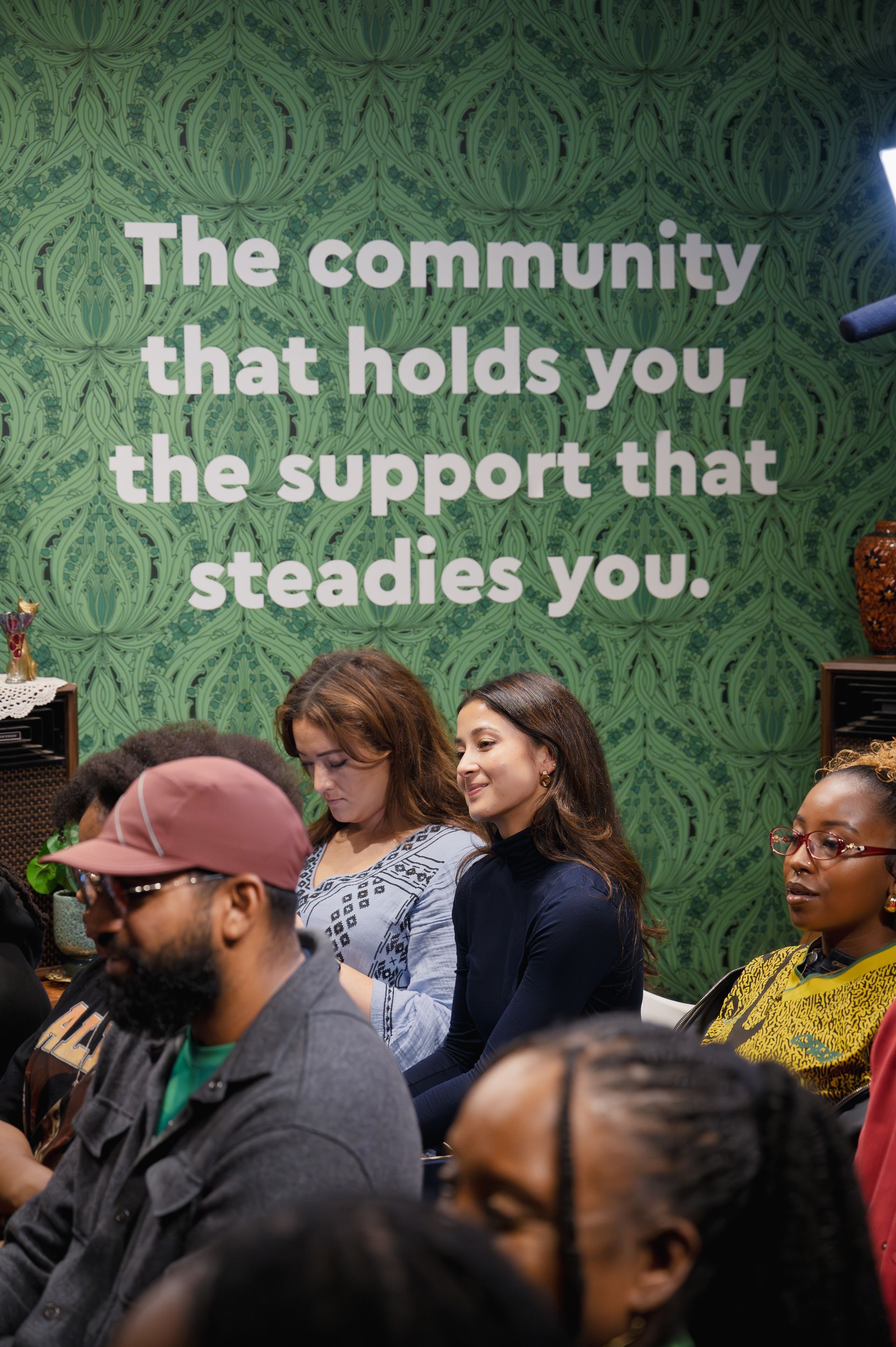
Investing for outcomes
Social investment is a way for Macmillan to drive sustainable long-term change in health care systems and improve outcomes for communities facing the biggest barriers.
This means:
- Providing early investment to help services launch quickly and test new ideas, giving them time to learn and improve.
- Working with local partners to agree clear, measurable outcomes, such as reducing hospital visits and improving wellbeing.
- Offering personalised, joined-up support before problems become serious. Bringing together health, social care, and community services to look at the whole person, including their medical needs, mental wellbeing, social situation, and living environment.
- If these outcomes are achieved and system savings are realised, partners repay Macmillan, allowing funds to be reinvested into new projects and creating a cycle of positive change.
Through this approach, we aim to build a more equitable and sustainable system. One that improves quality of life, eases pressure on emergency and hospital services and puts community voices at the centre of care. Over time, these projects demonstrate the power of services and communities working together to deliver more personalised support in the places people feel most comfortable.